
Description
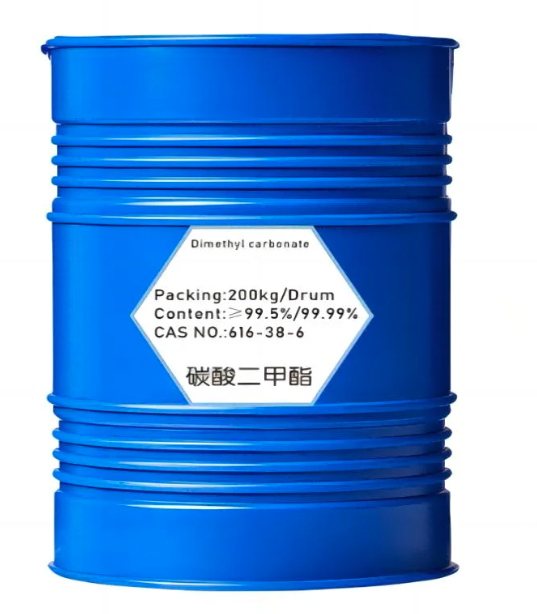
| Chemical Name | Dimethyl Carbonate (DMC) |
| Molecular Formula | C3H6O3 |
| CAS Number | 616-38-6 |
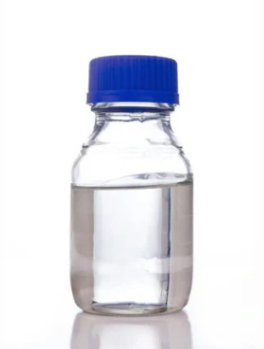
| Appearance | Colorless Liquid, Faint Alcohol Odor |
| Grade Standard | Battery Grade, Electron Grade, Industrial Grade |
| Solubility | 139 g/l |
| Melting Point | 3℃ |
| Boiling Point | 194℃ |
| Density | 1.07 g/cm3 |
| Purity | 99.93% |
Chemical Description
- Dimethyl Carbonate (DMC) is a clear and colorless liquid with a molecular formula of C3H6O3.
- DMC is hygroscopic, meaning it readily absorbs moisture, making it suitable for specific applications.
- DMC is known for its outstanding solvency properties, allowing it to dissolve a wide range of organic and inorganic materials.
- It plays a crucial role in chemical manufacturing, serving as a solvent and reagent in the synthesis of various chemicals, including pharmaceuticals, agrochemicals, and specialty compounds.
- The paints and coatings industry benefits from DMC as a VOC (volatile organic compound) exempt solvent, contributing to environmental standards and air quality improvements.
- In the electronics sector, DMC serves as a solvent and cleaning agent for semiconductor manufacturing.
- The pharmaceutical industry relies on DMC as a versatile solvent for medication formulation and compound extraction.
- DMC enhances battery technology, particularly in lithium-ion batteries, where it is used as a solvent in the electrolyte for improved battery performance and safety.
- DMC contributes to the production of polycarbonates, polycarbonate diols, and acts as a methylation agent in polymer synthesis.
- Automotive and aerospace industries use DMC for eco-friendly cleaning and degreasing.
- It is an eco-friendly fuel additive, reducing emissions in alternative fuel formulations.
- In the food industry, DMC serves as a versatile solvent for flavor extraction and food additive carrier.
- DMC is also utilized in wastewater treatment as a coagulant for industrial and municipal effluents.



Reviews
There are no reviews yet.