


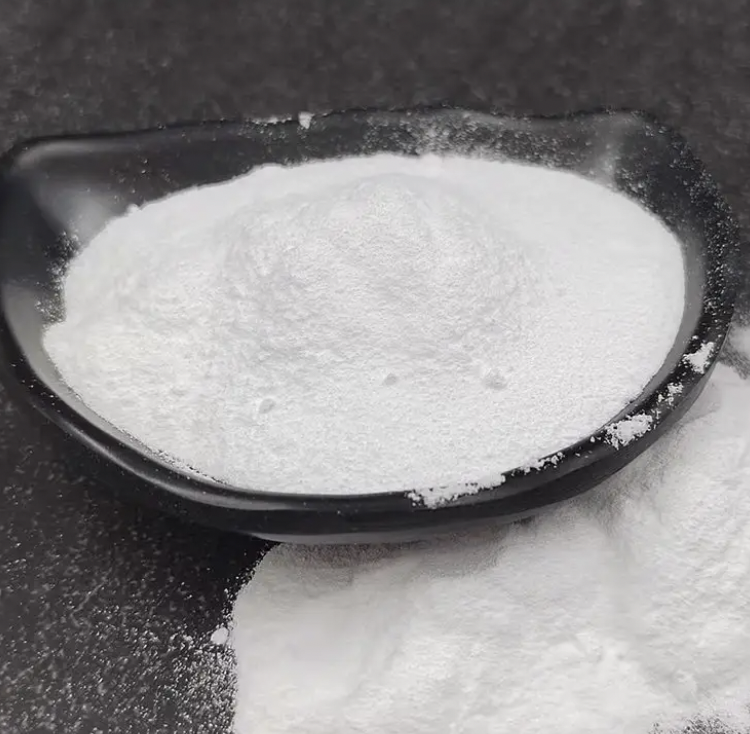
Description
| Specification | Detail |
| Chemical Name | Magnesium Sulphate Anhydrous |
| Chemical Formula | MgSO₄ |
| CAS Number | 7487-88-9 |
| Appearance | White, crystalline powder |
| Solubility in Water | Soluble |
| Melting Point | Approx. 1,124°C (2,055°F) |
| Density | Approx. 2.66 g/cm³ |
| Molecular Weight | 120.37 g/mol |
| pH (in aqueous solution) | Typically 5.5 – 7.5 |
| Purity | Generally ≥ 99% |
General Overview:
- Magnesium Sulphate Anhydrous is a chemical compound with the formula MgSO₄.
- It is the anhydrous (water-free) form of magnesium sulfate.
- Commonly known as Epsom salt in its hydrated form.
Physical Properties:
- Appears as a white, crystalline powder.
- Has a melting point of approximately 1,124°C (2,055°F).
- Exhibits a density of around 2.66 g/cm³.
- Odorless with a bitter taste.
Chemical Properties:
- Highly soluble in water, with a moderate solubility in ethanol.
- The solubility increases with temperature.
- In aqueous solution, it dissociates into magnesium and sulfate ions.
- Exhibits hygroscopic properties, meaning it can absorb water from the air.
Production:
- Obtained through the dehydration of magnesium sulfate heptahydrate.
- Can also be synthesized by the reaction of magnesium oxide or carbonate with sulfuric acid.
Grades and Purity:
- Typically available in high-purity grades, often ≥99% pure.
- Pharmaceutical grade is available, which meets specific purity standards for medical use.
- Food grade is also produced, suitable for consumption and food processing.
Health and Safety:
- Considered non-toxic and generally safe for use in foods and pharmaceuticals.
- Can cause skin and eye irritation upon contact in its pure form.
- Inhalation of dust may cause respiratory irritation.
Applications:
- Agriculture: Used as a fertilizer and soil conditioner.
- Pharmaceuticals: In medicinal formulations, laxatives, and as an electrolyte replenisher.
- Food Industry: As a firming agent and nutrient source in food processing.
- Chemical Industry: Used in the preparation of other magnesium compounds.
- Personal Care Products: Ingredients in bath salts, beauty products, and skincare formulations.
- Environmental Control: Employed in water treatment and flue gas desulfurization.
Environmental Impact and Sustainability:
- Considered environmentally benign.
- Non-hazardous to soil, water, and air when used responsibly.
- The production process aims to minimize waste and energy usage.
Storage and Handling:
- Should be stored in a cool, dry place in tightly sealed containers.
- Hygroscopic nature requires protection from moisture.
- Standard safety equipment (gloves, goggles) recommended during handling.
Regulatory Aspects:
- Regulated by food and drug authorities in many countries for its use in food and pharmaceuticals.
- Classified under different regulatory categories based on its application and purity.
Analytical Methods and Quality Control:
- Quality and purity tested using methods like AAS (Atomic Absorption Spectroscopy).
- Particle size distribution, pH, and impurity profile are important quality parameters.
Market and Economic Aspects:
- Widely available and produced by several companies globally.
- Market demand driven by diverse applications in agriculture, industry, and healthcare.
- Pricing is influenced by purity, grade, and market dynamics.



Reviews
There are no reviews yet.